

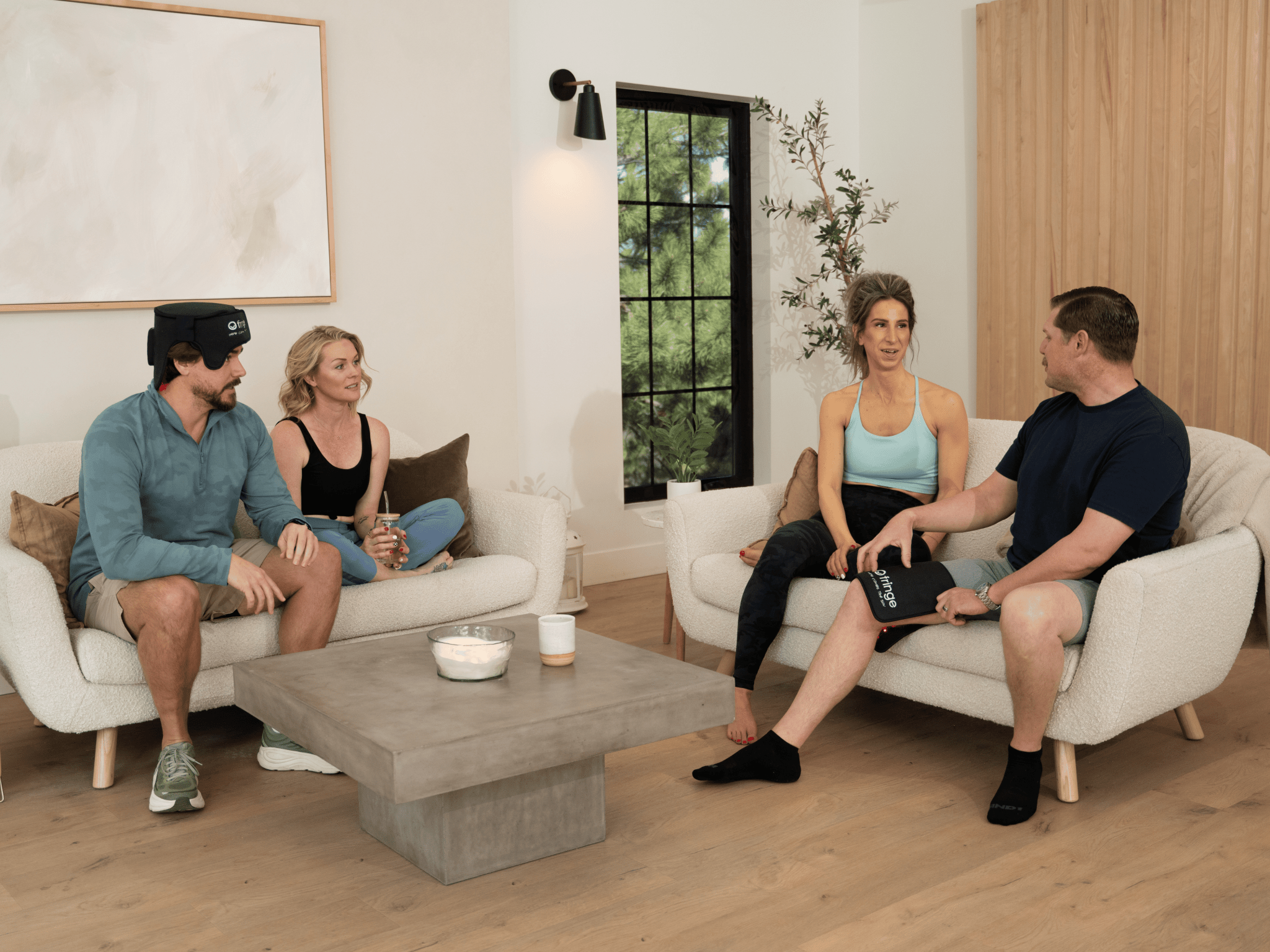
Why “Family Health” Is the Right Lens for Light Therapy
Rather than targeting specific conditions, light therapy may be used to support core biological processes that are shared across all ages within a family. From young children to preteens, teens, and parents, light therapy works a cellular level to influence how efficiently cells produce energy, how tissues regulate inflammation, how blood and oxygen are delivered, and how the nervous system responds to stress and recovery. These same processes underpin immune function, injury healing, emotional regulation, and overall resilience, which is why light therapy naturally lends itself to family health.
Light therapy using red and near-infrared light, with targeted use of blue light in certain applications, is best understood as a supportive wellness tool that helps the body function more efficiently and recover more effectively through common, everyday challenges families face. For parents, this approach has clear advantages: light therapy is non-invasive, does not rely on medications, can be adapted across different ages and sensitivities, and fits easily into daily routines at home.
In this blog, we’ll explore how families may use light therapy to support key areas of health, including pain and injuries, skin health, brain health, gut health, immune support, and allergies. Within each area, we’ll look at practical examples relevant to different family members, such as acne in teens, stress in parents, and growing pains in younger children. Throughout, we’ll focus on the underlying biology, what the research suggests, and how light therapy can be used safely and practically in a family setting.

How Light Therapy Works at a Cellular Level
Light therapy (also known as photobiomodulation) uses specific wavelengths of light (most commonly red and near-infrared, with targeted use of blue light) to influence fundamental biological processes in the body. Red and near-infrared wavelengths are absorbed primarily by mitochondrial components within cells, where they improve the efficiency of ATP production, the cell’s primary energy source. By supporting cellular energy availability, these wavelengths help fuel processes such as tissue repair, inflammation regulation, circulation, and nervous system balance. This shared cellular mechanism helps explain why red and near-infrared light are used across a wide range of family health applications, from injury recovery and immune support to brain and gut health.
Blue light works through a different, more surface-level set of mechanisms. Rather than targeting mitochondrial energy production, blue wavelengths interact primarily with chromophores in the skin and superficial tissues, including bacterial porphyrins and immune-related signaling pathways. This makes blue light particularly useful for applications such as acne, blemish control, and certain inflammatory skin conditions that are common in children and teens. When used at appropriate intensities and durations, blue light may support skin health without penetrating deeply or disrupting underlying tissue.
Together, these complementary mechanisms explain why “light therapy” is not a single effect, but a flexible tool that may be adapted to different tissues, ages, and health needs within a family.

Safety and Practical Use Across the Family
Light therapy has a strong safety profile and has been studied across thousands of research studies, including widespread use in dermatology, rehabilitation, and wellness settings. When delivered using LED devices at appropriate intensities, red, near infrared, and blue light are considered non-invasive and non-thermal, meaning they may support biological processes without damaging tissue or disrupting normal physiology. This makes light therapy suitable for repeated use within families when applied thoughtfully and with age-appropriate guidance.
That said, responsible use still matters, particularly in households with children. The most important principle is “low and slow.” Children, preteens, teens, and parents may respond differently to light exposure, and more is not better. Starting with shorter sessions, moderate frequency, and allowing time between treatments helps keep exposure within a beneficial range. Light therapy should always be supervised when used by children, especially young children, and should be paused if irritation, discomfort, or unusual symptoms occur. Direct eye exposure should be avoided, and treatments should never be done while sleeping.
Finally, light therapy is best viewed as a supportive tool, not a replacement for medical care. It does not diagnose or treat disease, and families should continue to follow medical guidance for infections, injuries, neurological concerns, or chronic conditions. When used appropriately, light therapy may complement healthy family routines by supporting the cellular foundations of recovery, resilience, and day-to-day wellbeing.

How Families Use Light Therapy to Support Everyday Health
Within a family, health needs vary by age and stage, but the underlying biology often overlaps. Inflammation, tissue repair, nervous system regulation, and cellular energy production are relevant whether you’re managing a scraped knee, recovering from a sports injury, dealing with chronic tension, or simply trying to keep up with daily demands.
Because light therapy works by supporting these shared physiological processes, it may be adapted to different family members and situations without becoming condition specific. In the sections below, we’ll explore several core areas where families commonly use light therapy, along with practical examples that reflect real-life needs across childhood, adolescence, and adulthood.
Pain & Injuries

How this can look across a family:
-
Young children: bumps, bruises, leg discomfort, and growing pains, particularly at night during periods of rapid growth.
-
Preteens and teens: sports-related strains, overuse injuries, and muscle soreness during growth spurts or busy training schedules.
-
Parents: recurring aches, joint stiffness, or muscle tension related to work, stress, posture, or previous injuries.
When used thoughtfully, light therapy may be a simple addition to family routines that support comfort and recovery after everyday physical strain. It’s often used during periods of soreness, growth-related discomfort, or minor injuries when the body needs extra support to recover.
Skin Health

Skin health concerns often change across childhood, adolescence, and adulthood, but many share the same underlying drivers, including inflammation, impaired barrier function, microbial imbalance, and slowed cellular repair. Light therapy may support skin health by influencing these processes at a cellular level, using red, near infrared, and blue light in complementary ways. Red and near-infrared light may increase cellular energy production, circulation, collagen synthesis, and inflammatory balance within the skin, while blue light acts more superficially and is best known for its antimicrobial effects, particularly against acne-associated bacteria.
When used appropriately, these wavelengths work together to make light therapy a flexible, supportive option for skin health across a family.
How this can look across a family:
-
Young children: rashes, irritated skin, slow-healing scrapes, or eczema flare-ups where red, near-infrared, and blue light can help reduce inflammation, support tissue healing and repair, and eliminate troublesome infections.
-
Preteens and teens: acne and inflammatory breakouts, where blue light may support bacterial balance while red and near-infrared light help calm inflammation and support healing.
-
Parents: stress-related skin changes, rosacea-prone or reactive skin, and early signs of skin aging, where red and near-infrared (and occasionally blue) light may be used to support barrier function, circulation, and overall skin resilience.
As part of a consistent routine, light therapy may help support healthier skin responses across different ages and stages within a family. By working with the skin’s natural repair and balance mechanisms, it offers a gentle, at-home approach to ongoing skin care.
Brain Health

Brain health plays a central role in how children learn, how teens regulate emotions and attention, and how parents manage stress, mood, and mental clarity. Across these stages, common underlying factors, such as brain energy demand, neuroinflammation, and nervous system regulation, shape how the brain responds to everyday challenges. Light therapy, including red and (especially) near-infrared light, may support these foundational processes by influencing cellular energy production, blood flow, and inflammatory balance in the brain.
How this can look across a family:
-
Young children: focus, mood, ADHD- and autism-related regulation, and sleep-related challenges, where light therapy is sometimes used to support nervous system calm and resilience.
-
Preteens and teens: focus, mood, ADHD- and autism-related regulation, as well as recovery following sports-related head impacts or concussions, where supporting brain energy and recovery is especially important.
-
Parents: stress, low mood, mental fatigue, and cognitive load, particularly during busy or high-demand periods of family life.
When used thoughtfully, light therapy may be a simple addition to family routines that support brain resilience and regulation across different ages and stages. Families often turn to it during periods of high cognitive demand, emotional stress, or recovery when the brain may need extra support.
Gut Health

Gut health plays an important role in digestion, immune function, and communication with the brain, often referred to as the gut–brain axis. In family life, gut-related challenges can show up as abdominal discomfort, irregular digestion, food sensitivities, or changes in mood and behavior. Light therapy, primarily using red and near-infrared light applied externally to the abdomen, may support gut health by influencing cellular energy production, inflammation regulation, circulation, and communication between gut tissues and the nervous system.
How this can look across a family:
-
Young children: digestive discomfort, irregular bowel habits, or gut-related immune sensitivities, where supporting gut balance may also influence overall comfort and behavior.
-
Preteens and teens: stress-related digestive issues, food sensitivities, or gut–brain interactions that can affect mood, focus, and energy.
-
Parents: bloating, sluggish digestion, stress-related gut symptoms, or ongoing gut inflammation associated with busy schedules and chronic stress.
In family settings, light therapy may be used to support gut balance and resilience during periods of digestive stress or disruption. It’s typically incorporated alongside nutrition, hydration, sleep, and stress management as part of a broader approach to gut health.
Immune Support

The immune system plays a constant role in family health, helping the body respond to infections, heal injuries, and maintain balance with the environment. In children, this often shows up as frequent colds or slow recovery; in teens, immune stress may intersect with growth, sleep, and training demands; and in parents, chronic stress can place ongoing strain on immune resilience. Light therapy may be used to support immune health by influencing cellular energy production, inflammation regulation, and circulation, all of which help immune cells do their work efficiently.
How this can look across a family:
-
Young children: frequent colds, prolonged recovery, or immune stress during school and daycare years.
-
Preteens and teens: immune strain during periods of rapid growth, heavy activity, or sleep disruption.
-
Parents: lowered resilience during busy or stressful periods, when immune demands are high.
By supporting the cellular environment that underlies immune function, light therapy may be incorporated into family routines during times when immune support feels especially important.
Allergies (Immune Over-Responsiveness)

Allergies are best understood not as a weak immune system, but as an over-reactive one. Seasonal allergies, environmental sensitivities, and recurring sinus or skin flare-ups are all examples of immune responses that are disproportionate to the trigger. Light therapy is sometimes discussed in this context because of its effects on inflammatory signaling, circulation, and tissue response, which may help support immune balance rather than stimulation.
In family life, this may be relevant for children with seasonal symptoms, teens with recurring sinus or skin-related reactions, or parents managing ongoing sensitivities. The goal is not to suppress immune function, but to support a more regulated and proportionate response.
Choosing Light Therapy Devices for Family Use
Families often benefit most from light therapy devices that are flexible, comfortable, and easy to share across different needs and body sizes. Rather than choosing devices based on age alone, it’s helpful to think in terms of treatment area, body size, and intended use. The following overview highlights how different Fringe light therapy devices are commonly used in family settings.
Regular Wrap

One of the most versatile options for family use, the Regular Wrap can be used on many areas of the body, including legs, back, abdomen, shoulders, and hips. Its adaptable size makes it a popular shared device in households, particularly for preteens, teens, and parents using light therapy for pain and injuries, gut health, immune support, or general recovery.
Extra Long Wrap

Designed for larger bodies or broader treatment areas, the Extra Long Wrap provides extended coverage for full-length limbs or larger muscle groups. Families often choose this option when greater surface area is needed, while still maintaining the flexibility of a wrap-style device.
Head Wrap

The Head Wrap is designed specifically for brain-focused applications. It’s adjustable to fit small, medium, and large head sizes and is commonly used in family routines that support emotional regulation, focus, stress resilience, or recovery following head impacts. It's hands-free design makes it easy to use during rest or quiet activities.
Neck & Chest Wrap

Shaped to contour the neck and upper chest, this wrap is well suited for supporting skin health in the décolletage area while also delivering light to immune-rich regions of the neck and the thymus gland. It’s often used as part of routines focused on skin health, immune support, or seasonal wellness.
Face Mask

The Face Mask combines red, near infrared, and blue light. Blue light is commonly used for blemish control, making this device appealing for teens dealing with breakouts, while red and near-infrared light support skin tone and rejuvenation, which many parents incorporate into their skincare routines.
Multi-Joint Wrap

Designed to fit securely around joints such as knees, elbows, or ankles, the Multi-Joint Wrap is ideal for joint-specific or athletic injuries. It’s often used in active households where targeted support is needed for sports-related strain or overuse.
Tiny Wrap

The Tiny Wrap is a compact, highly adaptable device designed for smaller treatment areas or more precise placement. It delivers red and near-infrared light, as well as blue light, making it especially useful for skin support across different parts of the body. Its lightweight size makes it a convenient option for individuals who prefer a smaller, more focused device, without limiting its use to any specific age group.
Rather than relying on a single device, many families find that having one or two complementary options allows light therapy to adapt as needs change, whether that’s supporting recovery after activity, managing skin concerns, or navigating busy, high-demand periods of family life. Here’s a summary of device applications that may be helpful:
|
Device |
Common Family Uses |
|
Fringe Regular Wrap |
Pain & injuries · Gut health · Immune support · Growing pains |
|
Fringe Extra Long Wrap |
Large muscle groups · Full legs · Back & hips |
|
Fring Face Mask |
Blemish control (blue) · Skin tone & rejuvenation |
|
Fringe Neck & Chest Wrap |
Décolletage skin · Immune-rich neck area |
|
Fringe Head Wrap |
Brain health · Emotional regulation · Focus · Concussion recovery |
|
Fringe Multi-Joint Wrap |
Knees · Elbows · Ankles · Joint-specific injuries |
|
Fringe Tiny Wrap |
Localized skin support · Precision placement · Small body size |
Conclusion
At Fringe, we view light therapy as a foundational part of family health. By supporting core processes such as cellular energy production, inflammation regulation, circulation, and nervous system balance, light therapy can meet families where they are, even as needs change over the lifespan. Thoughtfully designed devices and evidence-informed education make it easy to integrate light therapy into everyday routines, helping families support health, resilience, and recovery in a simple, consistent way.


