It's time to change our perspective on health and healing.


Type: Supplements
Raspberry Electrolyte & Mineral Mix


Type: Supplements
Electrolyte & Mineral Mix


Type: Supplements
Vitamin D&K Mix - Unflavored Powder


Type: Supplements
Fringe Essentials Supplement Bundle - Unflavored Powders


Type: Supplements
Fringe Kids Mighty Multivitamin


Type: Cover
Red Light Therapy Wrap Protective Cover - Tiny Wrap

Type: Mask
Red Light Therapy Face Mask
The Fringe Red Light Therapy Mask is FDA-registered and clinically designed to reduce fine lines and wrinkles, making it one of the best red light therapy masks for achieving a flawless, radiant complexion.
Our red light therapy mask for face combines three powerful wavelengths for an all-in-one, natural solution to your skin concerns:
- Red light (630nm) — stimulate collagen production and age radiantly
- Near-infrared light (830nm) — deep tissue rejuvenation and repair
- Blue light (415nm) — control blemishes and target acne-causing bacteria
This hands-free, wireless, medical-grade soft silicone mask offers three modes so you can customize treatment time for your skin type:
- Age Radiantly — red and near-infrared light for anti-aging
- Control Blemishes — blue light for clearer skin
- Rejuvenate — red light for full-face skin care and radiance
The best red light therapy mask for skin should be safe, effective, and easy to use. That's exactly what Fringe delivers.

Type: Wrap
Red Light Therapy Wrap

Type: Panel
Red Light Therapy Panel
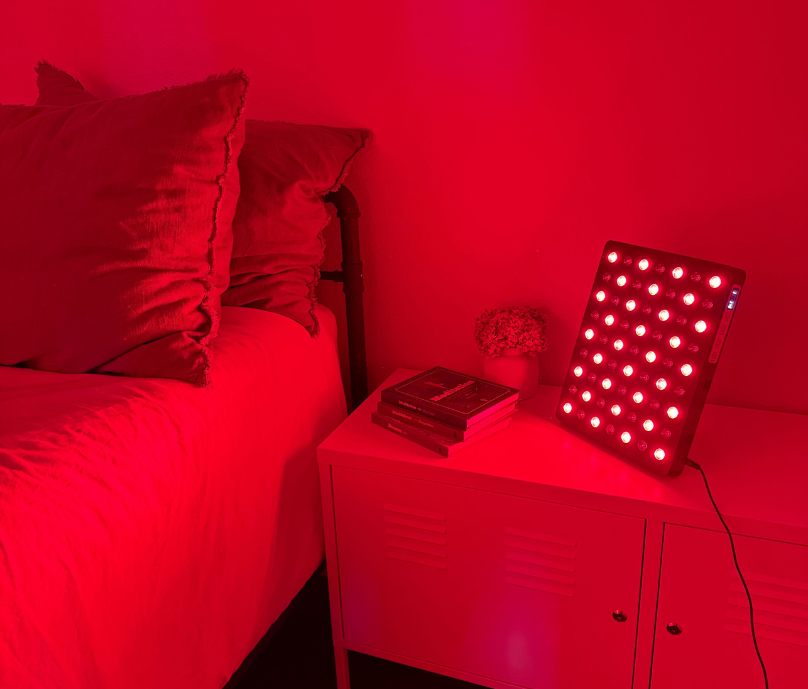
The Fringe Red Light Therapy Panel 189W combines healing light wavelengths of red light (660nm) and infrared light (850nm) for targeted cellular-healing, pain, and inflammation reduction.
With 63 3W LED lights for effective and convenient coverage over a large area, you can use this panel anywhere on your body for help with pain relief, increasing blood flow and relaxation of muscle. You can also use this panel to light up your space to support mood, sleep and overall well-being.
Safe, effective, science-backed, affordable light therapy. High five!

Type: Wrap
Red Light Therapy Wrap - Head
The Head Red Light Therapy Head Wrap combines 3 light wavelengths of red light (650nm), near infrared light (810nm) and deep penetrating near infrared light (1050nm).
As a comfortable tool for targeted cellular healing, cognitive function, and brain health, this red light therapy head wrap contains 450 hard working LED light chips to provide light therapy and light coverage over the forehead, top, sides and back of the head. You may opt to use the head wrap (when flat) on other body areas as well. Wireless, ultra low EMF and VERY affordable red light therapy hat? We did it.

Type: Wrap
Red Light Therapy Wrap Extra Long
This Extra Long Wireless Red Light Therapy Wrap combines light wavelengths of both red light (660nm) and infrared light (850nm) for targeted cellular-healing, and potential pain and inflammation reduction. This versatile, wireless, extra long, and flexy therapy wrap contains 450 hard working LED light chips to provide convenient, comfy light therapy for a larger and longer surface area.
Use this wrap all over the place – feet, ankles, knees, hips, low back, neck, shoulder, elbow, wrist, and hands, get creative.


Type: Supplements
Electrolyte & Mineral Mix


Type: Supplements
Vitamin D&K Mix - Unflavored Powder
- Vitamin D - water soluble, lichen source to regulate immune system function, maintain bone health, decrease inflammation, protect against oxidative stress, and support brain function.
- Vitamin K - to maintain bone health, regulate blood clotting, decrease inflammation, protect against oxidative stress, regulate glucose + insulin metabolism, and regulate immune system function.
Type: Supplements
Fringe Essentials Supplement Bundle - Unflavored Powders

Type: Supplements
Raspberry Electrolyte & Mineral Mix


Type: Supplements
Fringe Kids Mighty Multivitamin

Type: Wrap
Red Light Therapy Tiny Wrap
Our Tiny Wrap combines light wavelengths of red light (660nm), near infrared light (850nm), and blue light (415 nm) for targeted cellular-healing, as well as pain and inflammation reduction.
Use this wrap all over the place for all your family’s aches, pains, bumps, bruises, rashes, scrapes and ouchies... Safe, Effective, Science-Backed, Affordable Sun-like Healing for the tiny humans in your family. Pretty cool.
Check out our blog

Light Therapy for Vulvar and Perineal Health: A Complete Guide to the Fringe Liner
The vulvar and perineal tissues are among the least discussed and most poorly served areas of women's health. They sit in a warm, enclosed environment, deal with constant friction and moisture, and change substantially through childbirth, hormonal transitions, and aging. When something goes wrong here, people often wait a long time before asking about it, and the options they are offered can be limited. The Fringe Light Therapy Liner was designed for this specific area. It is a thin, flexible silicone device worn in the underwear, delivering red, near-infrared, and blue light at a sunlike intensity directly to the external tissues. It is cordless, rechargeable, and has magnetic clasps to stay in place, with a choice of session length and brightness. What It Is The Light Therapy Liner is similar in size to a maxi pad and is designed to be worn in the same way. It delivers three wavelengths at between 20 and 30mW/cm2 to the external vulvar and perineal tissue, each reaching a different depth. Red light at 660 nm is absorbed close to the surface, where it supports cellular energy production, blood flow, tissue healing, inflammation, and pain. Near-infrared at 850 nm penetrates further, into the tissue beneath the skin, supporting the same processes at greater depth and reaching the superficial muscle and connective tissue that red light does not. Blue light at 415 nm stays within the top fraction of a millimetre of tissue and has antimicrobial activity. The device also produces gentle warmth, running between 38.6 and 41°C, similar to a warm compress. Warmth applied to this area is a comfort measure in its own right, and here it is generated by the near-infrared light being absorbed as heat. 10 Ways the Fringe Liner Can Support Vulvar and Perineal Health 1. Lichen Sclerosus and Chronic Vulvar Skin Conditions Lichen sclerosus is a chronic inflammatory skin condition affecting vulvar skin, causing thinning, whitening, itching, and changes in tissue texture. It is managed with topical steroids and ongoing monitoring and needs consistent care over years rather than weeks. Red and near-infrared light may help by calming inflammatory signalling, improving local circulation, and supporting skin repair. Near-infrared light reaches connective tissue, which is relevant in a condition defined partly by structural skin change. A 2024 study of 100 women with lichen sclerosus at a Danish hospital found that light therapy improved quality of life in women whose topical treatment alone was not enough. That study used an 808 nm wavelength, closely aligned with the liner’s 850 nm output. This is where the wearable format matters most: lichen sclerosis needs ongoing sessions several times a week indefinitely, and a device you wear is far easier to keep using than one you hold. 2. Perineal Tear and Episiotomy Recovery Most first-time vaginal births involve some perineal tearing, and many involve an episiotomy. Recovery brings soreness, swelling, and tightness in an area that is difficult to rest and impossible to avoid using. Red and near-infrared light support circulation, calm inflammation, and encourage the tissue repair already underway. A 2024 randomized clinical trial compared light therapy with cryotherapy (ice) in the immediate postpartum period for women with first- and second-degree lacerations and episiotomies, examining pain and perineal and vulvar edema. Broader wound-healing research also supports red and near-infrared light for circulation, new tissue formation, and repair. Research in this area is still developing, and not all studies have found significant benefit. More work is needed before firm conclusions can be drawn. 3. Postpartum and Post-Surgical Recovery Before Internal Use Is Cleared After childbirth or pelvic surgery, patients are typically told nothing internal for six weeks or longer. That is exactly when discomfort is at its peak, and when most pelvic health tools are unavailable. This is the clearest argument for an external device. The liner sits outside the body, so it can be used during the window when internal devices are off-limits, once a provider has confirmed the tissue is closed and healing. Red and near-infrared light may support circulation and calm inflammation in tissues under considerable strain, and the gentle warmth is soothing. The hands-free format is also practical, since a new parent can wear the device while feeding or resting. 4. Pelvic Tension and Pain Many conditions produce pelvic floor tension and pain as a shared downstream effect, including endometriosis, PMOS, interstitial cystitis and bladder pain syndrome, chronic pelvic pain syndrome, and pelvic floor hypertonicity among them. The underlying conditions differ enormously, but the muscle guarding, tenderness, and discomfort they produce often look similar. While the liner does not reach the uterus, ovaries, or bladder, it may reach the superficial perineal muscles and the skin above them, which are frequently tense and tender. Red and near-infrared light may support that tissue by improving microcirculation, reducing inflammatory signalling, and easing local muscle tension. An observational cohort study of 128 women found that pelvic floor photobiomodulation improved chronic pelvic pain symptoms, and a pilot study reported similar findings, although it is important to note that both studies used internal delivery, so they support the biology rather than this specific device. 5. Vulvodynia, Vestibulodynia, and Vaginismus Chronic vulvar pain — burning, stinging, rawness, or sensitivity to touch, often with no visible cause — affects a significant number of women and is frequently dismissed for years. Vaginismus, the involuntary tightening that makes penetration difficult or impossible, often coexists, and vestibular pain is a common driver of the guarding behind it. In addition to muscle tension, red and near infrared light may addresses pain in the tissue itself. Red and near-infrared light have been studied for chronic pelvic pain through improved microcirculation, reduced inflammatory signalling, and effects on pain processing. Applied externally, the liner reaches the vestibular and vulvar tissue where this pain is most often felt, although it may not address the internal muscle spasm of vaginismus directly. It is usually recommended to use light therapy alongside pelvic floor physiotherapy. 6. Painful Sex with a Vulvar or Vestibular Component Painful sex (dyspareunia) has many contributors, including dryness, thinning tissue, inflammation, pelvic floor tension, and vestibular sensitivity. Where pain occurs at entry rather than deep, external tissue is the right target. Red and near-infrared light may improve tissue resilience, support hydration and microcirculation, and reduce surface inflammation and sensitivity. Supporting evidence comes largely from research on vaginal atrophy and dryness, the common pathway behind much dyspareunia. 7. Vulvar Dryness, Fragile Tissue, and Atrophy Declining estrogen thins and dries genital tissue, reduces elasticity, and lowers local blood flow. This happens in perimenopause and menopause, postpartum, while breastfeeding, and during anti-estrogen therapy. Most of the conversation focuses on vaginal symptoms, but external tissue changes too, becoming drier, more fragile, and more easily irritated. Red and near-infrared light may support tissue regeneration, vascularity, and comfort through improved mitochondrial function, enhanced microcirculation, and fibroblast stimulation. Research in vaginal atrophy has documented improvements in lubrication, irritation, and tissue quality with consistent use. 8. Pudendal and Perineal Nerve Pain Pudendal neuralgia produces burning, aching, or shooting pain in the perineum, vulva, or rectal area, often worse with sitting. It is frequently misdiagnosed and difficult to treat. Red and near-infrared light have documented effects on inflammatory signalling and pain processing, and light therapy has been studied in other nerve pain conditions. For example, a systematic review in diabetic peripheral neuropathy found improvements in neuropathic pain and nerve conduction velocity, and reviews of the mechanisms describe effects on cytokine signalling, nerve growth factor, and nerve excitability. External application of light may be used to target the superficial perineal branches of the pudendal nerve and the tissue they supply, which may ease surface inflammation and local sensitivity. No research has evaluated light therapy for pudendal neuralgia specifically. This use rests on mechanism, and it belongs alongside specialist care. 9. Vulvar Candidiasis: External Symptom Support Yeast infections are common, frequently recurrent, and the symptoms people feel most (including itching, burning, redness, raw skin) are external. Standard treatment is antifungal medication, and that remains essential, although light therapy may also be helpful. Blue light at 415 nm has demonstrated antifungal activity against Candida albicans. A laboratory study comparing three wavelengths for candida vaginitis found 415 nm was more effective against the fungus, with less damage to human vaginal epithelial cells, than either 405 nm or 450 nm. That is the exact wavelength the liner delivers. Note this was in vitro work rather than a clinical trial. Red and near-infrared light do not act on fungus but may calm the irritated surrounding skin. 10. Hemorrhoids and Perianal Discomfort Hemorrhoids are swollen vascular cushions in the anal and rectal area, associated with straining, pregnancy, childbirth, and prolonged sitting. Most people experience them at some point, and almost nobody discusses them. Red and near-infrared light may support perianal tissue (which is the skin immediately surrounding the anus) through anti-inflammatory effects, improved microcirculation, and tissue repair. No clinical trials have evaluated light therapy for hemorrhoids specifically, so this rests on mechanism extrapolated from wound-healing and pain literature. Because hemorrhoidal tissue is pressure-sensitive, the liner should be used lying down or reclining. The Liner May Also Help With The uses below are supported by what we know about how light therapy works. While the mechanisms are real and well documented, they have not been tested for these particular applications. Blocked follicles, ingrown hairs, and vulvar cysts. These share a common starting point of a blocked or inflamed follicle. Blue light’s antimicrobial activity is the same mechanism behind light therapy for inflammatory acne, which shares that biology. The warmth delivered by the liner is also relevant, since warm compresses are the standard first-line measure for an inflamed cyst. Notably, light therapy should never use on a cyst that is draining or open. Vulvar skin changes after radiation therapy. External tissue changes following pelvic radiation are an underserved problem, and light therapy has been studied in other radiation-related tissue injury. However, since light therapy in people with a cancer history is an area of ongoing clinical discussion, it should not be started without your oncology team’s input. Everyday friction, moisture, and irritation. Cycling, running, tight clothing, long days sitting, sweat, and wearing pads all leave vulvar skin irritated or chafed. The liner may be used to support maintenance of the health of these tissues. Because the liner is external, light will not reach the uterus, ovaries, bladder, vaginal canal, or the deep pelvic floor muscles. For internal vaginal symptoms, deep pelvic floor dysfunction and pain, and uterine/ovarian region support, the Fringe Pelvic Wand is the more appropriate choice. The liner and the wand can be used to support both external and internal vaginal tissue, both of which are affected in many of the conditions outlined above. How to Use the Fringe Liner Modes The liner cycles through four modes in sequence: M1 — Red (660 nm) + near-infrared (850 nm) at full brightness. This is the primary setting for tissue comfort, circulation, and repair. M2 — Red + near-infrared at 50%. This mode is gentler, and can be used when starting out, with sensitive tissue, or when full brightness feels too warm. M3 — Blue (415 nm) at full brightness, for its antimicrobial effect on the tissue surface. M4 — Blue at 50%. Although blue light does not generate heat, some people may choose to use blue light at a lower intensity for gentler antimicrobial effects. Unlike the Fringe Pelvic Wand, the liner has no red-only mode. If the near-infrared warmth is uncomfortable, M2 should be used. Frequency For red and near-infrared light, 3 to 5 sessions per week is standard. The cellular response to a session lasts roughly 24 to 48 hours, so closer spacing does not produce proportionally more benefit. Daily use is safe. Blue light should be used more sparingly. It is antimicrobial and not selective about which microbes it affects, and the vulvar and vaginal environments depend on beneficial bacteria. A Phase I intravaginal safety study found no short-term adverse tissue effects and minimal impact on vaginal pH, but long-term data are unavailable, and research on the cervicovaginal environment supports a conservative approach where microbiome preservation matters. Use blue 2 to 3 times per week during an active concern, 1 to 2 times per week for general support. Duration and intensity Sessions are 5 or 10 minutes, with 10 as the default. If you are new to light therapy, have sensitive skin, or are postpartum, begin with 5 minutes at 50% (either M2 or M4). Light therapy with red and near infrared light (M1 and M2) should feel soothing and gently warm, never hot, stinging, or irritating. Blue light does not generate heat, so there will be minimal associated sensation when using M3 or M4. Hygiene Clean the liner before and after every use with warm water and a mild, fragrance-free soap, and dry it fully before storing. It is waterproof, which makes this straightforward. This is a single-user device and should never be shared. Who Should Not Use It You should not use it if you: Have broken skin, an open wound, stitches, or an unhealed tear or episiotomy that a provider has not cleared. Have an unassessed active infection. Have active cancer in the vulvar/perineal region. You should consult a healthcare professional before use if you: Are pregnant, postpartum or recovering from pelvic surgery. Take a medication that increases light sensitivity. Have a photosensitive condition. Have a mole, lesion, lump, or skin change in the area. Have persistent or worsening vulvar pain, itching, or burning. Several conditions present this way and need a diagnosis first. Conclusion Vulvar and perineal health sits at an awkward intersection: common problems, real discomfort, and enough embarrassment that many people never ask for help. While light therapy does not treat any of the conditions on this list, it does work at the level of cellular function to support circulation, calm inflammation, and help tissue repair. Nearly every entry above shares these same processes, which is why one device can be relevant to conditions as different as lichen sclerosus, postpartum recovery, and chronic pelvic pain. The Fringe Light Liner delivers three wavelengths of light, all of which may support healthy tissue in this sensitive area. Designed to be wearable and reuseable, the liner is a practical tool for uses that require consistency over weeks or months. And in the weeks after childbirth or pelvic surgery, when internal devices are off the table, an external option is the only one available. Used consistently and alongside appropriate medical care, the Fringe Liner offers a discreet, non-invasive option for an area of the body that has waited a long time for one.
Learn more
Red Light Therapy for Women's Health: 10 Ways It Can Support Your Body
Introduction Women's health is remarkably complex. Across a lifespan, the female body navigates hormonal cycles, reproductive transitions, and chronic pain conditions that are often underprioritized in conventional medicine. Red Light Therapy (RLT) is one tool that spans a surprisingly wide range of these challenges. RLT uses specific wavelengths of red and near-infrared (NIR) light to interact with cells and tissues. The primary mechanism is absorption by cytochrome c oxidase in the mitochondrial electron transport chain, triggering increased ATP production, improved circulation, reduced oxidative stress, and calming of inflammatory signalling pathways. Blue light acts through distinct mechanisms and is particularly relevant for antimicrobial effects and certain inflammatory skin conditions. These cellular effects are foundational biological processes that underlie tissue repair, pain modulation, hormone-sensitive tissue health, skin regeneration, mood regulation, and immune function, which is why RLT has meaningful relevance across so many areas of women's health. At Fringe, we have developed a line of devices designed with women's health in mind: the Fringe Pelvic Wand for internal pelvic use; the Fringe Abdominal Belt and Regular Wrap for external abdominal and pelvic coverage; the Fringe Head Wrap for transcranial applications; the Fringe Face Mask for facial skin health; the Fringe Tiny Wrap for targeted body skin support; the Fringe Joint Wrap for joint-specific applications; the Fringe Extra Long Wrap for larger muscle group coverage; and the Fringe Full Body Mat for whole-body RLT. Top 10 Ways Red Light Therapy Can Support Women's Health 1. Menopause: Pelvic Comfort, Vaginal Health, and Bladder Support Declining estrogen during menopause drives a cascade of changes in pelvic tissues, collectively referred to as genitourinary syndrome of menopause (GSM). This includes thinning and drying of the vaginal walls, reduced elasticity and lubrication, increased tissue fragility, and a shift in vaginal pH that raises susceptibility to infection. These changes contribute to vaginal discomfort, pain with sex, and bladder symptoms including urgency and leakage. RLT supports pelvic tissue health through several mechanisms that are directly relevant to GSM. Red and NIR light stimulate collagen and elastin synthesis in mucosal and connective tissues, improving tissue thickness and resilience. They also improve microcirculation, which supports tissue hydration and the conditions needed for better lubrication. It has been suggested that transvaginal red and NIR light in vaginal atrophy and dryness may improve lubrication, reduce irritation, and support tissue health with consistent use. For urinary incontinence, RLT may support pelvic floor muscle performance and connective tissue integrity. Research has found improvements in stress urinary incontinence when light therapy was combined with pelvic floor exercises, and reduced leakage episodes, improved sexual quality, and pelvic floor muscle strength have been observed with combined light and vibration therapy. For dyspareunia (painful sex), red and NIR light address two of the primary contributing factors: tissue dryness and local inflammation. A recent review further supports the potential of transvaginal RLT to improve vaginal blood flow and tissue regeneration. Recommended products: Fringe Pelvic Wand, Fringe Abdominal Belt or Regular Wrap (external) 2. Mood Support: Easing the Emotional Weight of Hormonal Shifts Mood fluctuations are woven through virtually every stage of women's reproductive health. PMS, perimenopause, and the postpartum period all bring measurable neurobiological shifts in estrogen, progesterone, cortisol, and serotonin that affect emotional regulation, stress resilience, and sleep. These are not simply subjective experiences; they reflect physiological changes with real neurological underpinnings. Transcranial RLT, applied to the head, has emerged as a promising, non-pharmacologic approach for mood support. A recent integrative review in Lasers in Medical Science found that RLT showed improvements in brain activity, reduced anxiety, and antidepressant effects across multiple clinical studies. Similarly, a randomized controlled trial of wearable transcranial RLT for major depressive disorder and sleep further supports its mood-stabilizing and sleep-supportive effects. Since PMS is associated with measurable alterations in sleep architecture and circadian rhythm regulation, and because mood and sleep are tightly coupled, transcranial RLT during the premenstrual window, perimenopausal period, or postpartum recovery may help support both. Recommended products: Fringe Head Wrap 3. Skin Health: Aging, Conditions, and Post-Procedure Recovery Skin health is deeply connected to women's hormonal biology. Estrogen plays a central role in maintaining skin thickness, collagen content, and moisture, which means the hormonal shifts of perimenopause and menopause often bring visible and uncomfortable skin changes that may be supported by RLT. RLT may also be able to help support skin following aesthetic procedures and during wound healing. RLT has one of the strongest evidence bases in dermatology, with applications spanning everyday skin aging to chronic inflammatory conditions to aesthetic procedure recovery. A systematic review of LED therapy randomized controlled trials found that red and NIR light can improve wrinkles, skin texture, and elasticity with good tolerability. Clinical trials have further demonstrated significant reduction in periocular wrinkle volume and improvements in under-eye skin texture following consistent RLT. Across these applications, the core mechanisms are consistent: RLT supports mitochondrial energy in skin cells, improves local circulation, and stimulates fibroblasts to produce collagen and elastin. Blue light adds a distinct layer of benefit through its antimicrobial activity and influence on inflammatory skin immune pathways. Key skin health applications include: Skin Aging: Red and NIR light support collagen and elastin production, improve skin firmness and texture, and reduce the appearance of fine lines and wrinkles with consistent use. Eczema (atopic dermatitis): Red and NIR light support barrier repair and reduce inflammatory signalling, which may have relevance for eczema, although clinical trials are currently lacking. Blue light has shown clinical benefits for reducing eczema severity and itch. The National Eczema Association acknowledges the growing interest in LED devices, emphasizing conservative dosing and careful wavelength selection. Rosacea: Combined blue and red light therapy has shown improvements in redness and inflammatory lesions in controlled LED protocols. Red-only mode is often the best starting point for those prone to flushing. Psoriasis: In psoriasis, blue light influences immune activity in the skin and may slow excessive skin-cell proliferation, while red and NIR light address deeper inflammatory processes. Wound healing: Red and NIR light support angiogenesis, fibroblast activity, collagen remodelling, and epithelial repair. Blue light adds surface antimicrobial support. Post-procedure recovery (microneedling, chemical peels, laser, Botox, fillers): Red and NIR light introduced after the acute inflammatory phase has resolved can help calm lingering redness and support tissue repair. It is generally recommended to wait 24 to 72 hours after most procedures before applying RLT, though timing should always follow your provider's guidance. Recommended products: Fringe Face Mask; Fringe Tiny Wrap (body skin and wound support) 4. Menstrual Support: Pre-Menstrual Syndrome and Menstrual Cramps RLT may provide menstrual support to women, including both pre-menstrual syndrome (PMS) and dysmenorrhea (menstrual cramps). These are common experiences that affect the majority of women of reproductive age. Dysmenorrhea arises from uterine contractions driven by prostaglandin release and inflammatory signalling that creates cramping, radiating pelvic pain, and lower back ache. A 2025 systematic review of randomized controlled trials on light-based interventions for primary dysmenorrhea found reductions in pain intensity, decreased inflammatory signalling, and improved comfort with consistent abdominal light application. A randomized multicentre trial comparing RLT directly against the oral contraceptive pill for menstrual pain found that both achieved clinically meaningful reductions in pain, suggesting RLT is a viable non-pharmacologic option. Pre-menstrual syndrome (PMS) involves a broader constellation of symptoms: mood changes, bloating, sleep disruption, breast tenderness, and fatigue in the days before menstruation. Although no studies have examined PMS as a primary endpoint, adjacent research is relevant. PMS is associated with sleep and circadian rhythm changes, and transcranial RLT has been shown to improve sleep quality and stabilize the sleep-wake cycle. Mood-supportive effects of transcranial RLT, as discussed in section 2, are directly applicable to the luteal phase mood changes that characterize PMS. For abdominal bloating and early cramping that begins before the period, abdominal RLT may also offer comfort support. Recommended products: Fringe Regular Wrap or Abdominal Belt (abdominal and pelvic); Fringe Pelvic Wand (pelvic floor); Fringe Head Wrap (PMS mood and sleep) 5. Aches and Pains: Joints, Muscles, and Pelvic Discomfort Chronic pain affects women at higher rates than men across virtually every pain category. RLT addresses pain at a fundamental biological level, making it relevant whether the pain is joint, muscular, or pelvic in origin. For osteoarthritis, a clinical study published in the Annals of Rehabilitation Medicine (2024) showed meaningful pain reduction after RLT, and randomized trials have shown additive benefits when light therapy is paired with exercise. For muscle and myofascial pain, research suggests RLT may reduce delayed-onset muscle soreness, improve muscle recovery markers, and support faster return to performance, through enhanced mitochondrial ATP production and reduced inflammatory cascades. For pelvic pain, transvaginal RLT has shown meaningful clinical benefit. A study found that women with chronic pelvic pain experienced reduced symptoms and improved wellbeing following regular transvaginal RLT, with 64.5% of women meeting the threshold for clinically meaningful improvement. Combined with low-level vibration, transvaginal RLT may also help reduce pelvic floor hypertonicity, which is a common contributor to chronic pelvic pain. Recommended products: Pelvic pain: Fringe Pelvic Wand, Regular Wrap, or Abdominal Belt | Joints: Fringe Joint Wrap | Muscles: Fringe Regular Wrap, Extra Long Wrap, or Full Body Mat 6. Athletic Support and Recovery Women athletes face physiological considerations that are often underrepresented in sports science research, including the influence of the menstrual cycle on training response, recovery, and injury risk, and higher rates of certain injuries such as ACL tears and stress fractures compared to male athletes. RLT is one tool where the underlying mechanisms are directly relevant regardless of sex: the primary mechanism in athletic contexts is mitochondrial: RLT upregulates cytochrome c oxidase activity, enhancing ATP production and cellular energy efficiency. Both pre-exercise and post-exercise application have shown benefits. Pre-exercise light exposure, sometimes called muscular pre-conditioning, has been shown to reduce lactate accumulation, delay the onset of muscle fatigue, and increase the number of repetitions performed before exhaustion. Post-exercise, RLT may reduce markers of muscle damage including creatine kinase, support faster functional recovery, and reduce DOMS. A systematic review of randomized clinical trials found that RLT applied before exercise improved maximum voluntary contraction, oxygen consumption, time to exhaustion, and fatigue markers regardless of dose or wavelength variations. A 2025 comprehensive review further confirms RLT's role in skeletal muscle regeneration through fibroblast stimulation, collagen synthesis, and modulation of inflammatory and oxidative stress pathways, supporting its relevance for connective tissue repair and the higher rates of soft tissue injury seen in female athletes. Consistent use in the hours before or after training, rather than sporadically, allows cellular adaptations to compound over time. Full-body RLT extends these benefits systemically, supporting whole-body recovery in a single session. Recommended products: Fringe Joint Wrap, Fringe Regular Wrap, Fringe Extra Long Wrap, Fringe Full Body Mat 7. Cognitive Health: Focus, Clarity, and Brain Wellness Brain fog, cognitive fatigue, and difficulty concentrating are common complaints during perimenopause, the postpartum period, and in the context of chronic pain and poor sleep. These symptoms reflect real neurobiological changes: altered cerebral blood flow, shifts in neurotransmitter balance, and the effects of sleep disruption on prefrontal function. Transcranial RLT supports mitochondrial oxidative metabolism in neural tissue, improves regional cerebral blood flow, and modulates neuroinflammation. Controlled human studies have demonstrated improved attention, executive function, and memory performance following transcranial RLT, with neuroimaging evidence of increased regional cerebral blood flow and functional connectivity. Transcranial RLT shows promise across a wide range of neurological and psychological conditions, including cognitive impairment, depression, traumatic brain injury, and neurodegenerative disease, through these overlapping cellular mechanisms. For women navigating cognitive shifts at any stage, transcranial RLT offers a gentle, non-pharmacologic option for supporting mental clarity and brain resilience. Recommended products: Fringe Head Wrap 8. Fertility: Supporting Reproductive Wellness Fertility depends on a constellation of factors including egg quality, hormonal signalling, uterine receptivity, and pelvic blood flow. RLT does not treat infertility, but the cellular mechanisms it targets are directly relevant to reproductive physiology, particularly energy production in reproductive tissues, reduction of oxidative stress, and improvement of circulation. Eggs are among the most energy-demanding cells in the body, and the quality of their energy production is a key determinant of reproductive success. The human evidence, however, is limited to small uncontrolled case series. One case series followed women with unexplained infertility who received red and near infrared light over the lower abdomen and reported pregnancies among participants. An earlier clinic series similarly reported pregnancies when light was used through the pre-conception period. Neither included a control group, so these outcomes cannot be attributed to the light therapy itself. Many people align RLT use with their cycle, focusing on the follicular phase (approximately days 1 to 14). Those preparing for IVF or egg retrieval may consider beginning 2 to 3 months in advance, which aligns with the timeline of follicle development. Recommended products: Fringe Pelvic Wand (transvaginal), Fringe Abdominal Belt or Regular Wrap (external abdominal) 9. Pregnancy and Postpartum Support During pregnancy, RLT is generally considered safe when applied appropriately. Direct use over the abdomen is not recommended as a precaution. Common supportive applications include back, hip, and pelvic discomfort from postural changes and increased load; neck and shoulder tension; leg and foot heaviness and swelling; and mood and sleep support. Sessions on non-abdominal areas complement standard prenatal wellness practices. Postpartum recovery places significant demands on the body. For C-section recovery, research has demonstrated that red and NIR light can reduce postoperative pain, decrease inflammation, and improve tissue healing. For perineal wounds and episiotomy repair, research shows light exposure reduces pain and supports faster tissue recovery. Light therapy should only begin once wounds are fully closed and a clinician has confirmed it is safe. For postpartum pelvic floor recovery, transvaginal RLT may support tissue repair and complement pelvic floor physiotherapy once cleared for internal use. Research also suggests that red light therapy may offer benefits for breastfeeding-related discomfort. A review of studies looking at breastfeeding nipple trauma found that light therapy showed a trend toward reduced pain and improved. Another study observed reduced nipple pain and inflammation, as well as increased milk production when low-level light was used during breastfeeding. These findings suggest that red light therapy may be a gentle, non-invasive way to support comfort and continuation of breastfeeding. Recommended products: Fringe Pelvic Wand (with timing and clinician clearance); Fringe Abdominal Belt or Regular Wrap; Fringe Head Wrap (mood and sleep); Fringe Panel or Wrap (breastfeeding and musculoskeletal support during pregnancy) 10. Pelvic Diseases: Endometriosis, PCOS, Interstitial Cystitis, and Microbiome Support A number of chronic pelvic conditions disproportionately affect women and are often underdiagnosed and undertreated. RLT is not a treatment for any of these conditions, but may offer meaningful supportive benefits for pelvic comfort, tissue health, and the shared underlying mechanisms of inflammation and microvascular dysfunction. Endometriosis: Involves chronic inflammation, pelvic floor tension, and persistent pain that can radiate through the abdomen, pelvis, and lower back. A small 2022 study without a control group, presented at a gynecology conference, followed 48 women receiving transvaginal red and NIR light; over eight weeks, the share reporting moderate-to-severe pelvic pain fell from about 86% to 44%. Without a comparison group these results are preliminary, but external abdominal RLT may offer additional comfort support. PCOS: Preclinical research shows that red and NIR light may help normalize aspects of ovarian function and reduce inflammation associated with PCOS. Interstitial Cystitis / Bladder Pain Syndrome: A 2022 study found that red and NIR light applied to the suprapubic and pelvic-floor regions improved validated IC/BPS symptom indices including pain, urgency, and urinary frequency. Vaginal microbiome support: Emerging research suggests that RLT may help support a healthier vaginal environment by reducing inflammation, supporting beneficial bacterial activity, and modulating the immune response in vaginal tissues. Blue light adds a direct antimicrobial dimension, helping to discourage pathogenic organisms at the surface. Recommended products: Fringe Pelvic Wand; Fringe Abdominal Belt or Regular Wrap; Fringe Face Mask (PCOS acne) How to Use Red Light Therapy for Women's Health A wide range of Fringe devices can be used to support women’s health, including: Fringe Pelvic Wand — Transvaginal application with red, NIR, and blue light modes, plus vibration. Can also be applied to the external genitals. Applications: vaginal dryness and atrophy, dyspareunia, urinary incontinence, pelvic pain, menstrual cramps, endometriosis, PCOS, IC/BPS, fertility support, postpartum pelvic recovery (with clinician clearance), vaginal microbiome support. Fringe Abdominal Belt / Regular Wrap — External red and NIR light over the lower abdomen and pelvis. Applications: menstrual cramps, PMS abdominal discomfort, pelvic pain, fertility, postpartum abdominal recovery, endometriosis, PCOS. Fringe Head Wrap — Transcranial red and NIR light for brain-targeted applications. Applications: PMS mood and sleep, perimenopausal mood shifts, postpartum mood support, cognitive health, brain fog. Fringe Face Mask — Red, NIR, and blue light for the face. Applications: skin aging, eczema, rosacea, psoriasis, melasma (conservative protocol), vitiligo (exploratory), PCOS acne, post-procedure recovery support. Fringe Tiny Wrap — Compact targeted device with red, NIR, and blue light. Applications: body eczema, wound healing, localized inflammatory skin conditions. Fringe Joint Wrap — Joint-contoured red and NIR light with optional vibration. Applications: osteoarthritis, joint pain, athletic joint recovery. Fringe Regular Wrap / Extra Long Wrap — Large surface area red and NIR light. Applications: DOMS, myofascial pain, athletic recovery, back pain, pregnancy musculoskeletal support (away from abdomen). Fringe Full Body Mat — Whole-body red and NIR light. Applications: systemic recovery, broad musculoskeletal support, general wellness, athletic recovery. Light: Red and NIR light are the primary therapeutic wavelengths in RLT, and both are present in nearly all Fringe devices. Though their effects overlap, they differ in how deeply they penetrate tissue. Red light (typically 630 to 660 nm) is absorbed strongly in the skin and superficial tissues, making it particularly effective for collagen production, surface skin health, and tissue healing in areas close to the body's surface. NIR light (typically 810 to 850 nm) is less absorbed by surface tissue and penetrates more deeply, reaching muscles, joints, and deeper pelvic structures. This is why NIR is especially important for applications like athletic recovery, joint support, and transvaginal use. When used together, red and NIR light produce complementary and overlapping effects that benefit both superficial and deep tissues. Red light on its own (without NIR) may be preferred when heat sensitivity is a concern, for more delicate skin conditions like rosacea or melasma, when starting a new protocol and wanting a gentler introduction, or for conditions where surface-level effects are the primary goal and deeper penetration is less critical. Fringe devices vary in the number of light wavelengths and modes they offer. The Pelvic Wand, Face Mask, and Tiny Wrap each offer three modes, allowing you to choose between combined red and NIR light, blue light only, or red light only depending on your goals and sensitivity. The Head Wrap delivers three wavelengths of light, including red, NIR, and a longer NIR wavelength at 1050 nm that is unique to this device and chosen specifically to support brain health applications. The remaining devices, including the Regular Wrap, Extra Long Wrap, Joint Wrap, and Full Body Mat, deliver red and NIR light in a single combined mode with adjustable intensity. Intensity: All Fringe devices allow you to reduce light intensity to 50% by pressing the sun button. Reduced intensity is recommended when starting a new device or application, when using RLT on sensitive or reactive skin (rosacea, eczema flares, post-procedure recovery), when using the Pelvic Wand internally for the first time or after a break, and as a starting point during pregnancy or early postpartum. Full intensity is appropriate for most established uses once comfort is confirmed. Frequency: For most applications, 3 to 5 sessions per week is the standard recommendation. This frequency allows cells to recover and respond between sessions and aligns with research showing sustained benefits from consistent use. Daily use is safe but does not typically produce faster results than the recommended frequency. Some situations call for more frequent use: During active menstrual cramps, up to daily use is appropriate for abdominal and pelvic applications. In the 24 to 48 hours following intense training, daily use is appropriate for muscle and joint recovery. Blue light (Mode 2) should be limited to 2 to 3 times per week for active concerns, and 1 to 2 times per week for maintenance. Duration: Fringe devices have built-in timers that automatically end sessions at the recommended duration, so you do not need to time sessions manually. The Fringe Pelvic Wand, Tiny Wrap and Face mask have a 10-minute timer. Body wraps, the Head Wrap, and the Full Body Mat are set to 20 minutes. For conservative protocols (melasma, rosacea, post-procedure recovery, or first-time use of any device), starting with a 5-minute session and increasing gradually is advisable. Post-procedure use should always begin shorter and increase only if the skin remains calm. Conclusion Women's health is not a single issue but a lifelong journey through shifting biology, changing needs, and often inadequate support from conventional medicine. What makes RLT a compelling tool in this context is not that it addresses one condition, but that it operates at the level of cellular function, improving how cells produce energy, manage inflammation, and repair tissue. These are processes that matter across every stage of a woman's life, from the menstrual cycle to fertility to menopause and beyond. The research supporting RLT across these applications is growing, and while more dedicated clinical trials are still needed in some areas, the mechanistic foundation is well established, and the safety profile is excellent. Used consistently, as part of a broader approach to health, and alongside appropriate medical care, RLT offers women a non-invasive, evidence-informed tool that can be woven into daily life at home. Disclaimer: This information is for general wellness and educational purposes only and does not constitute medical advice. Fringe devices are not intended to diagnose, treat, cure, or prevent any disease or medical condition. Individual results may vary. Please consult your healthcare provider before starting any red light therapy regimen, especially if you have a medical condition or are under medical supervision.
Learn more
How Red Light Therapy Supports Abdominal and Pelvic Health
Why Abdominal and Pelvic Health Matter The abdomen is home to several of the body’s most important systems. Within this relatively small region are the digestive organs, reproductive organs, bladder, major immune tissues, and a large network of nerves that connect the gut to the brain. When these systems function well, they support digestion, metabolism, hormonal balance, immune function, and overall wellbeing. When they become disrupted, the effects can be widespread. Many common health concerns originate in, or strongly involve, the abdominal and pelvic region. Conditions such as digestive disorders, menstrual pain, bladder dysfunction, and pelvic pain affect millions of people and can significantly impact daily life. In many cases, these conditions involve complex interactions between inflammation, circulation, nerve signaling, and tissue health. Because of this complexity, researchers have increasingly explored non-invasive approaches that support the body’s natural repair and regulatory processes. One area of growing interest is Red Light Therapy (RLT), using red and near infrared light. These wavelengths of light interact with cells in ways that can influence energy production, inflammation, circulation, and tissue recovery. In recent years, scientists have begun studying how these effects may apply not only to skin and muscles, but also to deeper tissues within the abdomen and pelvis. This emerging research is opening the door to new ways of supporting digestive health, reproductive health, bladder function, and recovery from abdominal injury. How Red and Near Infrared Light Affect Abdominal Tissues Red and near infrared light therapy works by delivering specific wavelengths of light that interact with cells and tissues. When these wavelengths are absorbed by cellular structures, they can influence several biological processes involved in energy production, circulation, inflammation, and tissue repair. One of the most studied mechanisms involves the mitochondria, the structures within cells responsible for producing energy. Red and near infrared light are absorbed by molecules within the mitochondrial respiratory chain, which can improve cellular energy production and support normal metabolic function. Increased cellular energy can help tissues repair, recover, and function more efficiently. These wavelengths of light can also influence nitric oxide signaling in the body. Nitric oxide is a molecule that helps regulate blood flow and circulation. When circulation improves, tissues receive more oxygen and nutrients while metabolic waste products are cleared more efficiently. This effect may be particularly relevant in the abdomen and pelvis, where many conditions involve impaired circulation or chronic inflammation. Another important effect of red and near infrared light therapy is its ability to modulate inflammation. Numerous studies have shown that these wavelengths can influence inflammatory signaling pathways and support the body’s natural healing processes. Because many abdominal and pelvic conditions involve inflammatory mechanisms, researchers have increasingly explored light therapy as a potential supportive tool. Near infrared wavelengths are especially relevant for abdominal applications because they penetrate deeper into tissue than visible red light. This allows light energy to reach structures beneath the skin, including muscles, connective tissue, and deeper organs within the abdominal region. The Fringe Abdominal Belt uses three wavelengths that have been widely studied in light therapy research. The device delivers red light at 660 nm along with near infrared light at 850 nm and 1050 nm. Together, these wavelengths are designed to support both surface tissues and deeper structures within the abdomen and pelvis, and to have broad effects on cells and other structures in the abdomen (such as water). Introducing the Fringe Abdominal Belt The Fringe Abdominal Belt was designed to deliver red and near infrared light therapy directly to the abdominal and pelvic region in a simple, comfortable format. The device contains 135 LEDs that emit three wavelengths of therapeutic light: red light at 660 nm and near infrared light at 850 nm and 1050 nm. These wavelengths have been widely studied for their ability to support cellular energy production, circulation, tissue repair, and inflammation balance. While red light primarily interacts with tissues closer to the surface, near infrared light penetrates more deeply, allowing light energy to reach muscles, connective tissue, and other structures within the abdominal region. Here are some applications for each of the three wavelengths: 660 nm (Red Light): A very well-studied wavelength, 660nm is well absorbed in skin and superficial tissues, making this wavelength ideal for improving circulation and reducing inflammation near the skin’s surface. It also supports collagen production, accelerates wound healing, and promotes dermal regeneration. The 660nm wavelength also reduces oxidative stress and improves functionality of tissues. 850 nm (Near-Infrared Light): A well-studied NIR wavelength that penetrates more deeply into muscle and connective tissue, 850 nm is widely studied for its effects on mitochondrial ATP production, pain modulation, and nerve repair. Near-infrared light in this range activates cytochrome c oxidase and is frequently used in both sport recovery and neurological research. 1050nm (Near-Infrared Light): This longer wavelength near-infrared light has an effect on water, which may influence intracellular and extracellular water viscosity, potentially enhancing mitochondrial efficiency and protein dynamics. To make sessions convenient and accessible, the Abdominal Belt is fully portable and wireless. The device can be comfortably secured around the abdomen using an adjustable belt, allowing it to be worn while sitting, resting, or relaxing. This design makes it easy to position the device over areas such as the lower abdomen, pelvic region, bladder area, or digestive organs. In addition to light therapy, the Abdominal Belt also includes optional vibration therapy. Gentle vibration can support circulation and relaxation of abdominal muscles and may reduce pain and enhance comfort when using the device for pelvic or digestive concerns. Because the abdomen contains several interconnected systems including the digestive tract, reproductive organs, bladder, and large networks of nerves and immune tissues, supporting this region may have wide ranging effects on health. For this reason, researchers have begun exploring how RLT may help support a variety of abdominal and pelvic conditions. In the following sections, we will look at some of the most commonly studied and emerging applications of RLT for abdominal and pelvic health. Shop the Abdominal Belt Top Uses of Red Light Therapy for Abdominal and Pelvic Health The abdomen and pelvis contain several interconnected systems, including the digestive tract, reproductive organs, bladder, and large networks of nerves and immune tissues. Many common health concerns affecting this region involve inflammation, impaired circulation, muscle tension, and altered nerve signaling. Because red and near infrared light therapy can influence these biological processes, researchers have begun studying its potential role in supporting a variety of abdominal and pelvic conditions. The following sections highlight several areas where light therapy has been investigated or is emerging as a promising supportive approach. Pelvic pain. Chronic pelvic pain can arise from many causes, including muscle tension in the pelvic floor, inflammation of pelvic tissues, and altered nerve signaling. Red and near infrared light therapy has been studied as a non-invasive approach to help support tissue recovery and reduce pain in this region. Clinical studies investigating RLT for pelvic pain have reported meaningful reductions in pain severity and improvements in daily function, likely related to improved circulation, reduced inflammatory signaling, and better cellular energy production within affected tissues. While many of these studies used internal delivery methods, the underlying mechanisms they demonstrate may also be relevant to external light therapy applied over the lower abdomen and pelvic region. Dysmenorrhea (menstrual cramps). Dysmenorrhea, or painful menstrual cramps, affects a large proportion of menstruating women and is primarily driven by elevated prostaglandins that cause strong uterine contractions, inflammation, and reduced blood flow to uterine tissue. Research has begun exploring red and near infrared light therapy as a non-pharmacologic option for menstrual pain. A recent systematic review and meta-analysis of randomized controlled trials involving 645 participants found that light therapy significantly reduced menstrual pain compared with sham exposure after repeated use, with improvements typically observed over multiple menstrual cycles. The strongest evidence so far involves ~20-minute sessions once daily applied over the lower abdomen for several days around menstruation, repeated across multiple cycles. Endometriosis. Endometriosis is a chronic inflammatory condition in which tissue similar to the uterine lining grows outside the uterus, often leading to persistent pelvic pain, painful periods, and abdominal discomfort. Because inflammation, altered nerve signaling, and impaired circulation contribute to symptoms, researchers have begun exploring whether red and near infrared light therapy may help support comfort. Red light therapy is not a treatment or cure for endometriosis, and the human research so far is early and limited: in one small study without a control group, presented at a 2022 gynecology conference, women with endometriosis-related pelvic pain reported less pain after eight weeks of internally delivered light therapy. Because the study had no comparison group, it is not possible to know how much of that change came from the light itself rather than from other factors. These early findings are encouraging but preliminary. They point to light therapy applied over the lower abdomen and pelvic region as a gentle, non-invasive way to support comfort for people living with endometriosis, rather than as a way to treat the condition itself. Polycystic Ovary Syndrome (PCOS). Polycystic ovary syndrome is a complex condition involving hormonal imbalance, ovarian dysfunction, inflammation, and metabolic changes that can affect the reproductive system, skin, and energy metabolism. Red light therapy is not a treatment for PCOS, and it has not yet been studied in people with the condition. So far the evidence comes only from laboratory and animal research. These studies suggest that red and near infrared light may support healthier ovarian function by improving mitochondrial activity, reducing oxidative stress, and helping regulate inflammatory and endocrine signaling pathways. These effects have been associated with improvements in ovarian morphology, hormone balance, and cycle regulation in experimental models. Whether the same holds true in people has not yet been tested, but these early findings suggest that light therapy applied over the lower abdomen may be a gentle way to support pelvic tissue health and metabolic balance in people living with PCOS. Fertility support. Fertility depends on many factors, including ovarian health, egg quality, endometrial receptivity, and adequate blood flow to reproductive tissues. Red light therapy does not treat infertility, but the cellular processes it influences—mitochondrial energy production, oxidative stress, and circulation within ovarian and uterine tissues—are relevant to reproductive physiology. Laboratory and animal studies suggest that red light therapy may improve ovarian cell function, hormone balance, and follicle development while reducing inflammation and oxidative damage, though these are laboratory and animal findings that may not translate directly to people. In women, the published evidence is limited to small case series without control groups. One such case series followed women with unexplained infertility who received multiwavelength red and near infrared light over areas related to blood flow, including the area over the abdomen, and reported pregnancies among participants. Because there was no comparison group, it is not possible to attribute these outcomes to the light therapy itself. Because the human research in this area is still early and uncontrolled, light therapy is best thought of as a low-risk way to support reproductive tissue health and circulation during the preconception period, rather than as a fertility treatment. Overactive bladder. Overactive bladder (OAB) is characterized by urinary urgency, frequency, and sometimes urge incontinence, often caused by involuntary contractions of the bladder’s smooth muscle. A randomized, double-blind, placebo-controlled clinical trial evaluated a skin-adhesive light therapy device applied to the lower abdomen in people with OAB. After 12 weeks of sessions, participants using active light therapy experienced significantly greater reductions in daily urge urinary incontinence episodes and overall incontinence compared with the sham group, and more than two-thirds of participants achieved a ≥50% reduction in symptoms. The therapy was also well tolerated with no serious adverse events reported. These findings suggest that light therapy may help support bladder function by relaxing smooth muscle and improving pelvic circulation. Gut microbiome. The gut microbiome plays a central role in digestion, immune regulation, inflammation, and metabolic health. Emerging research suggests that red and near infrared light therapy applied to the abdomen may influence microbial balance in the gut. Experimental studies show that abdominal RLT can help preserve intestinal epithelial integrity and shift microbial populations toward beneficial bacteria that produce short-chain fatty acids such as butyrate, which support gut barrier health and reduce inflammation. Additional research has proposed the concept of “photobiomics,” in which red and near infrared light influence host metabolism, immune signaling, and microbial composition simultaneously, suggesting a potential pathway by which light therapy may support whole-body health through gut microbiome interactions. Gut–brain axis. The gut and brain communicate continuously through immune, metabolic, hormonal, and neural pathways collectively known as the gut–brain axis. Disruptions in gut microbial balance can contribute to systemic inflammation, altered neurotransmitter signaling, and neuroinflammation that affect mood, cognition, and neurological health. This may play a role in diseases such as Alzheimer’s and Parkinson’s. Emerging research suggests that red and near infrared light therapy applied to the abdomen may influence this axis by improving mitochondrial function, reducing inflammatory signaling, and modulating the gut microbiome. Preclinical and translational studies show that abdominal RLT can alter microbial composition, improve intestinal barrier function, and influence brain-related outcomes such as cognition, stress responses, and neuroinflammation. Experimental brain–gut RLT research further suggest that combined light exposure can restore stress-related cognitive changes while simultaneously modulating the gut microbiome and inflammatory signaling pathways. Gut diseases (IBS, IBD, Crohn’s disease, ulcerative colitis). Chronic gastrointestinal diseases such as irritable bowel syndrome (IBS), inflammatory bowel disease (IBD), Crohn’s disease, and ulcerative colitis are characterized by intestinal inflammation, barrier dysfunction, altered immune signaling, and changes in the gut microbiome. Emerging research suggests that red and near infrared light therapy applied to the abdomen may help modulate several of these underlying mechanisms. Preclinical studies of ulcerative colitis models show that abdominal RLT can reduce inflammatory cytokines, decrease immune cell infiltration, and improve intestinal tissue structure and mucosal integrity. Additional experimental research suggests that light therapy may also influence gut microbiota diversity and immune pathways involved in inflammatory bowel disease progression. While human clinical research is still limited, these findings highlight a growing interest in light therapy as a supportive, non-invasive approach for intestinal health conditions. Abdominal wounds and surgical recovery. Red and near infrared light therapy have been widely studied for their ability to support tissue repair and wound healing. These wavelengths are known to influence key stages of healing by improving local circulation, supporting collagen production, and helping regulate inflammatory signaling. Research across a range of wound models shows that light exposure can enhance angiogenesis, fibroblast activity, and epithelial repair, creating conditions that support faster and more organized tissue recovery. Clinical studies have also explored postoperative applications, including recovery after abdominal surgery such as C-section incisions, where light therapy has been associated with reduced pain, improved tissue healing, and greater comfort during recovery once the incision is closed and cleared for light therapy by a medical provider. These findings suggest that targeted abdominal light therapy may be a supportive tool for people recovering from surgical wounds or other abdominal tissue injuries when used alongside appropriate medical care. Abdominal metabolic health and body composition. Abdominal fat is not just a storage tissue—it is metabolically active and closely linked to inflammation, insulin sensitivity, and hormonal signaling. Red and near-infrared light have been studied for their effects on cellular metabolism and adipose tissue biology. Studies suggest that light exposure can influence mitochondrial activity, lipid metabolism, and inflammatory pathways within adipocytes. In human studies using red light therapy applied to the waist and abdomen, participants have shown modest reductions in waist circumference and improvements in body contour compared with control groups. While these findings do not suggest that light therapy directly “melts fat,” they support the idea that improving local circulation, mitochondrial function, and metabolic signaling in abdominal tissues may influence body composition over time. These emerging findings highlight a potential role for abdominal light therapy as a supportive tool for metabolic health when combined with nutrition, movement, and other lifestyle strategies. How to Use the Fringe Abdominal Belt The Fringe Abdominal Belt is designed to deliver red and near-infrared light comfortably across the lower abdomen using a flexible, wearable design. The device contains 135 LEDs emitting 660 nm red light, 850 nm near-infrared light, and 1050 nm near-infrared light, allowing light to interact with both surface tissues and deeper abdominal structures. The belt also includes optional vibration therapy and a removable strap so the device can be worn comfortably during sessions. General Use: For most wellness goals, the Abdominal Belt can be used: • 3–5 sessions per week• 10–20 minutes per session The device includes a built-in timer for both 10-minute and 20-minute sessions, making it easy to follow a consistent routine. The light intensity can also be adjusted. At full intensity, the device delivers approximately 20–40 mW/cm² at the body surface. Users who prefer a more gentle session can reduce the intensity to 50%, which may be helpful for those who are sensitive to warmth or beginning light therapy for the first time. Positioning: Place the device directly over the lower abdomen, centered between the hips. The removable belt can be used to secure the device comfortably so the light panel stays in place during sessions. The belt can be worn while resting, sitting, or lying down. Using Vibration Therapy: The Abdominal Belt includes optional vibration therapy, which can be used alongside the light session. Gentle vibration may help relax abdominal muscles and improve local circulation, which some people find helpful when experiencing pelvic or abdominal discomfort. Vibration can be turned on or off depending on personal preference. Frequency Adjustments for Specific Needs: While most people benefit from 3–5 sessions per week, frequency can be adjusted depending on the goal. For example: • Menstrual cramps (dysmenorrhea): daily sessions during the painful portion of the menstrual cycle may be helpful. • General abdominal or pelvic wellness: 3–5 sessions per week is typically sufficient. • Sensitive users: begin with shorter sessions or reduced intensity and increase gradually as comfortable. As with all light therapy devices, consistency tends to produce the most noticeable results over time. Conclusion The abdomen is home to many interconnected systems that influence overall health, including the digestive organs, reproductive tissues, immune signaling pathways, and the gut microbiome. Because these systems are metabolically active and closely linked to inflammation, circulation, and cellular energy production, the abdominal region is an important target for supportive wellness therapies. Red and near-infrared light therapy have been studied across a wide range of biological processes relevant to abdominal health, including tissue repair, inflammation regulation, mitochondrial function, and microbial balance. Emerging research suggests that these mechanisms may influence diverse areas such as pelvic pain, menstrual discomfort, gut health, metabolic signaling, and postoperative tissue recovery. While the strength of evidence varies depending on the condition, the growing body of research highlights the broad biological activity of light within human tissues. The Fringe Abdominal Belt was designed to deliver these wavelengths comfortably and conveniently to the lower abdomen using 660 nm red light, 850 nm near-infrared light, and 1050 nm near-infrared light, combined with optional vibration therapy. With its wearable design, adjustable intensity, and built-in session timer, the belt allows users to integrate light therapy into regular wellness routines at home. Shop the Abdominal Belt As research into light therapy continues to expand, abdominal applications represent an exciting area of investigation. By supporting fundamental biological processes such as cellular energy production, circulation, and inflammation balance, targeted light therapy may offer a gentle and non-invasive way to support abdominal and pelvic wellness as part of a broader approach to health.
Learn more
Introducing the Fringe Red Light Therapy Clinical Pad
Red light therapy (RLT) (also known as photobiomodulation) is increasingly used in both clinical and home settings to support tissue repair, reduce inflammation, and promote recovery. The therapy works by delivering specific wavelengths of red and near infrared light to the body, where they influence many cellular processes, most notably mitochondrial energy production. By increasing the availability of ATP, the primary energy currency of the cell, RLT can support healing, maintenance, and repair across many types of tissues. Over the past decade, wearable RLT devices have made this technology accessible outside of specialized clinics. Devices such as wraps and panels allow targeted light delivery to joints, muscles, and skin, making it possible to use light therapy at home as part of a regular wellness routine. At Fringe, our RLT products were designed to deliver wavelengths and light intensities that closely resemble the therapeutic portion of natural sunlight, which research suggests falls within an effective biological range. While wearable wraps remain one of the most versatile ways to apply RLT, some environments require equipment that can withstand more demanding conditions. Clinical settings, athletic training facilities, and veterinary environments often require devices that are durable, easy to disinfect, and resistant to sweat, oils, and hair. The Fringe Red Light Therapy Clinical Pad was designed with these environments in mind. Made from medical-grade silicone and powered by high-density LED light arrays delivering both red (660 nm) and near infrared (850 nm) wavelengths, the Clinical Pad provides the same therapeutic light exposure as our standard wraps while offering a surface that can be easily cleaned and disinfected between uses. What Makes the Clinical Pad Different from a Standard Wrap The Fringe Red Light Therapy Wrap remains one of the most versatile ways to apply red and near infrared light therapy. Its soft neoprene design makes it comfortable to wear and easy to position around many parts of the body, which makes it ideal for home use and for people who want a flexible wearable device. The Fringe Red Light Therapy Clinical Pad, however, was designed for situations where durability, hygiene, and ease of cleaning are especially important. Because of this design, the Clinical Pad may be particularly useful in situations such as: Clinical settings such as physiotherapy, chiropractic, and sports medicine clinics where devices need to be disinfected between patients. Athletic recovery environments, where sweat and skin oils can quickly accumulate on equipment. Veterinary and animal care, since silicone surfaces do not trap fur and can be easily cleaned after treating animals. Skin and dermatological applications, where hygienic surfaces are important when treating acne-prone skin or other conditions that benefit from careful cleaning between sessions. Both the Clinical Pad and the standard Fringe Wrap deliver the same therapeutic wavelengths and light intensity, meaning the biological effects of the light remain the same. The difference lies primarily in the material and the environments in which the device is most practical to use. Common Uses for the Fringe Red Light Therapy Clinical Pad Red and near infrared light therapy have been studied for a wide range of health applications. By supporting mitochondrial energy production and influencing cellular signaling pathways involved in inflammation and repair, these wavelengths can promote healing and recovery in many different tissues. Because the Clinical Pad can be easily positioned over many parts of the body, it can be used for many of the same applications as other Fringe red light therapy devices. Common uses include: Joint and muscle painRed light therapy has been studied for pain associated with joints, muscles, and connective tissue. Research suggests that red and near infrared light may help reduce inflammation and influence nerve signaling related to pain perception. Tendon and soft tissue injuriesLight therapy has been shown to support tissue repair by influencing cellular metabolism and collagen production, both of which play important roles in healing injured tissues such as tendons and muscle. Post-exercise recoveryAthletes often use red light therapy to support muscle recovery after training. Studies suggest it may help reduce muscle fatigue, decrease inflammation, and improve recovery between training sessions. Skin health and wound healingRed light therapy is widely used in dermatology and skin care because of its ability to support tissue repair and collagen production. It has been studied for applications including acne, scarring, and wound healing. General inflammation supportBecause inflammation is involved in many different health conditions, the anti-inflammatory effects of red and near infrared light may contribute to benefits across a wide range of tissues and systems. Like other Fringe red light therapy devices, the Clinical Pad delivers light at intensities designed to mimic the beneficial wavelengths of natural sunlight, allowing users to apply light therapy safely and conveniently to targeted areas of the body. How to Use the Fringe Red Light Therapy Clinical Pad The Fringe Red Light Therapy Clinical Pad is designed to make light therapy simple and easy to integrate into daily routines. Because the pad is flexible and lightweight, it can be placed directly on the skin over joints, muscles, or other target areas. Session duration The Clinical Pad includes built-in timers for both 10-minute and 20-minute sessions, which helps ensure consistent session times. These durations fall within the range commonly used in red light therapy research and help keep sessions within the therapeutic window. Light intensity The device allows the light intensity to be adjusted to either 100% or 50% power. Most users will use the full intensity setting, which delivers light in the approximate range of 20–40 mW/cm² at the skin. This intensity is similar to the therapeutic wavelengths of sunlight and falls within the range commonly used in light therapy studies. The 50% setting can be useful for people with more sensitive skin or when treating areas that may feel more sensitive to warmth. Session frequency For most applications, we recommend that RLT be used 3–5 times per week, with one session per day on the same area of the body. This is because the biological effects of light therapy can persist for 24–48 hours, meaning that repeated sessions on the same area within a short time frame may not provide additional benefit. It is also safe to use RLT daily, although doing it more often does not necessarily lead to faster results. Placement For best results, the pad should be placed directly against the skin over the area you wish to treat. Direct contact reduces light reflection and helps maximize the amount of light absorbed by the tissue. The flexible design allows the Clinical Pad to be used over many areas of the body, including: • joints such as the knee, shoulder, or elbow• large muscle groups such as the back or thighs• localized areas of pain or inflammation• skin areas requiring targeted light exposure Because the pad is wireless and portable, sessions can be done while sitting, resting, or lying down, making it easy to incorporate into daily routines. Cleaning the Clinical Pad One of the key advantages of the Fringe Red Light Therapy Clinical Pad is its medical-grade silicone surface, which allows the device to be easily cleaned and disinfected between uses. Unlike fabric-based devices, silicone does not absorb sweat, oils, lotions, or other substances that may come into contact with the surface during sessions. This makes the Clinical Pad well suited for environments where hygiene is important, including clinics, athletic facilities, and veterinary settings. To clean the Clinical Pad: • Wipe the silicone surface with a disinfecting wipe or cleaning solution that is safe for medical-grade silicone, such as alcohol-based disinfectant wipes commonly used in clinical settings.• Allow the surface to air dry before the next use.• Avoid soaking the device or allowing liquid to enter the charging port or control unit. Regular cleaning helps maintain a hygienic surface and allows the Clinical Pad to be used safely across multiple sessions. This easy cleaning process is one of the reasons the Clinical Pad is particularly useful in professional environments where equipment may be used repeatedly throughout the day. Conclusion Red light therapy has become an increasingly popular way to support tissue repair, reduce inflammation, and promote recovery across a wide range of applications. As interest in light therapy continues to grow, so does the need for devices that can be used in a variety of environments beyond the home. The Fringe Red Light Therapy Clinical Pad was designed to meet this need. By combining the same therapeutic red and near infrared light used in our standard wraps with a medical-grade silicone surface, the Clinical Pad offers a durable and hygienic option that can be easily cleaned between uses. Whether used in clinical practices, athletic recovery settings, veterinary care, or home environments where easy cleaning is important, the Clinical Pad provides a flexible and practical way to deliver targeted light therapy to the body.
Learn more
Welcome to the fringe podcast
Honest conversations about health, healing, and your body.

Yesterday’s Medicine Meets Today’s Science
Your body is always trying to heal. The Fringe helps you understand how. Each episode blends modern science with time-tested wisdom to explore light, supplements, sleep, hormones, recovery and more. Expect clear explanations, honest conversations, and practical insights that help you feel better in your body and more confident in your health choices.
Listen on Spotify →

Become A Fringe Affiliate!
We’re stoked you’re thinking about joining our affiliate program! Help others discover the amazing benefits of Red Light Therapy & Supplements while earning some sweet rewards. At Fringe, we’re all about making health and wellness accessible to everyone.Ready to jump in? Hit the link below to apply and start spreading the love.
Got questions? Reach out to us anytime at affiliate@fringeheals.com – we’re here to help!

How we heal
It’s tough out there these days - we spend 93% of our time indoors, our food supply is depleted of vital minerals, we take short, quick breaths, we rarely touch the outdoors. But while our health challenges are increasingly complex, our solutions needn’t be.
Mother Nature has long been a guide, offering us a healing roadmap that we’ve wandered from. But by bridging Yesterday’s Medicine with Today’s Science, we can start to find our way back. We have known for thousands of years what makes us feel good, and science is now catching up.
At Fringe, we’re excited to understand how we traverse this healing journey, bringing you products, education, and a community that heals. Let’s begin.

Fringe Heals
Our bodies have an incredible capacity for healing, let’s get after it.